How Maintainers Can Work More Safely
Ken Bannister, Plant Engineering and Maintenance
Because maintenance departments are often recognized as caretakers of company safety initiatives, they’re inundated with all things safety: messages, procedures, meetings, checks, equipment, training and permits, etc. Despite their good intentions, however, some maintenance professionals still get hurt on the job. To understand why, we need only to draw a parallel with automobile accidents.
Automobiles have never been safer or more reliable. Improved driver training and awareness programs, safety systems and devices (i.e. air bags, anti-roll protection, safety glass and anti-lock brakes) help to reduce or prevent accidents. Nonetheless, motorists still crash and get hurt at an alarming rate. The simple answer is distraction.
When you’re driving or on the job, do you find your mind wandering from the task at hand, sometimes becoming angry or agitated? Unfortunately, fast-paced living, high self-expectations, poor diet and sleep patterns, relationship problems and increased workload dramatically increase personal stress levels. This makes for distracted drivers and workers.
Manage Risk
Personal safety is a combination of understanding, managed risk, common sense and, above all, frame of mind. Adhering to the common statement: “Safety starts with you!” is the first step. You want to work safely, as your wellness is important. The company will also benefit through raising your safety awareness and encouraging maintainers to work more safely.
For maintainers, this can be an exciting process. Taking a first-aid/CPR course or joining a work-emergency response team allows an individual to make a difference and have fun. Maintenance professionals are able to broaden their knowledge of safety training.
Some maintainers work in potentially hazardous environments. The risk is managed through understanding the consequences of failure and being competent in the response to those failures. To work safely and reduce injuries, maintenance professionals must understand the plant environment and manufacturing processes. This will reduce failure occurrences.
You should also learn to recognize both normal and abnormal equipment behaviour, and check material safety data sheets. As for production and maintenance materials, you need to know what you’re handling. Also, being trained in confined-space management is futile if you can’t recognize true or marginal confined space in the workplace without an identification signpost.
As well, it’s important to know how to operate an emergency washstation and where they’re located in the plant. The bottom line is that managing safety risk is a combination of understanding and knowledge. Developing and using a common-sense approach to manage stressful and dangerous situations is determined by an individual’s clear frame of mind and ability to focus on the task.
To create safe workplaces, more companies are emphasizing the overall wellness of workers. These organizations realize that an individual’s mental and physical health is a top priority. The result is that safety drives a plant’s culture. In doing so, a healthy, safe and productive workforce reaps many benefits for management.
Stay fit
Companies now provide opportunities for their employees to elevate personal-fitness levels by offering different workplace programs (i.e. fitness memberships, competitive sports, meditation and healthier and lighter cuisines in the cafeteria). It’s proven that exercise and relief programs reduce stress and improve a person’s physical health.
Programs that deal with increasing mental health issues are also gaining acceptance in the corporate world (i.e. workplace daycare facilities, personal counselling, education and general-training programs). Company wellness committees are becoming as prevalent as health and safety committees.
Remember that a healthy and safe attitude towards work requires developing a true connection with oneself. Health and safety is a personal issue and everyone’s responsibility. Get involved and stay connected. So, how do you feel today?
Ken Bannister, Plant Engineering and Maintenance
Related Articles
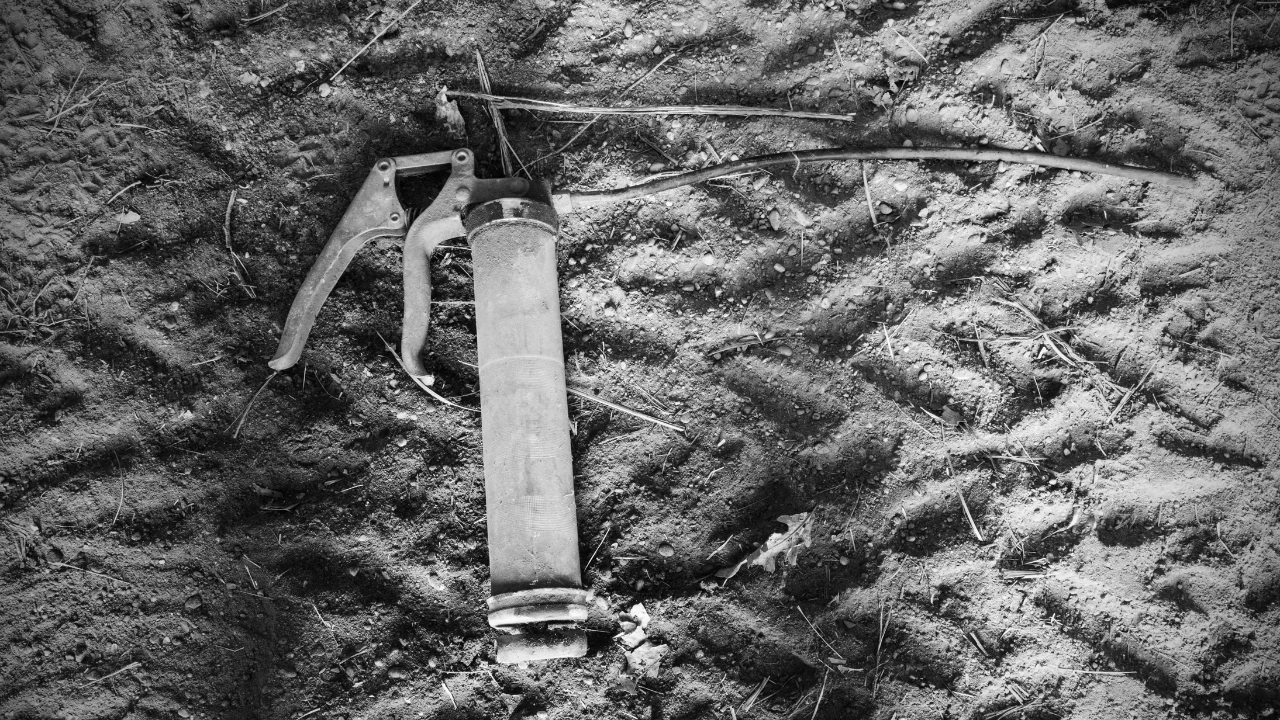
High-pressure injection injuries, also known as grease gun injuries, are caused by the accidental injection of a foreign material–such as grease, oil, or solvent under pressure–through the skin and into the underlying tissue. This is analogous to medical techniques used to administer immunization shots without a needle. A grease gun injury can cause serious delayed soft tissue damage and should be treated as a surgical emergency. Any person sustaining an injury of this sort should seek immediate medical attention, regardless of the appearance of the wound or its size. Accidents involving injection injuries can occur when using any type of pressurized equipment.
High-pressure injection injuries, also known as grease gun injuries, are caused by the accidental injection of a foreign material–such as grease, oil, or solvent under pressure–through the skin and into the underlying tissue. This is analogous to medical techniques used to administer immunization shots without a needle. A grease gun injury can cause serious delayed soft tissue damage and should be treated as a surgical emergency. Any person sustaining an injury of this sort should seek immediate medical attention, regardless of the appearance of the wound or its size. Accidents involving injection injuries can occur when using any type of pressurized equipment.
See More
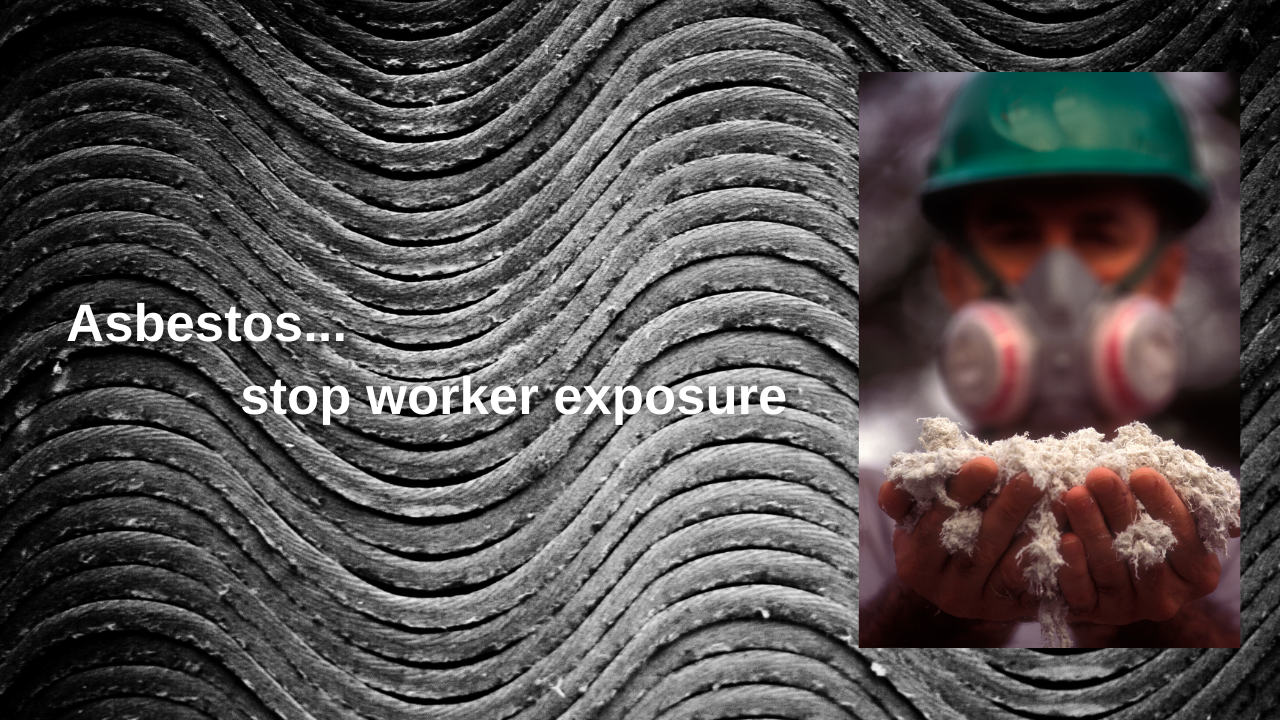
Many of today’s manufacturing plants have removed asbestos from their facilities, but some still manufacture products that contain legal amounts of asbestos. Although exposure at these plants is well monitored and minimal, there is no safe level of asbestos exposure according to the Environmental Protection Agency.
Many of today’s manufacturing plants have removed asbestos from their facilities, but some still manufacture products that contain legal amounts of asbestos. Although exposure at these plants is well monitored and minimal, there is no safe level of asbestos exposure according to the Environmental Protection Agency.
See More
Significant engineering and test efforts
have been undertaken in the last few years into the area of arc flash/blast hazards in electrical equipment. The result has been a better understanding of arcing faults and how to prevent and/or minimize the hazards to personnel and equipment. This paper highlights some of the findings that may help in safety management and equipment selection. This paper concludes with some design considerations that will help reduce the hazards of arcing faults.
Significant engineering and test efforts
have been undertaken in the last few years into the area of arc flash/blast hazards in electrical equipment. The result has been a better understanding of arcing faults and how to prevent and/or minimize the hazards to personnel and equipment. This paper highlights some of the findings that may help in safety management and equipment selection. This paper concludes with some design considerations that will help reduce the hazards of arcing faults.
See More
About 80 percent of maintenance mistakes involve human factors (HF), according to the Federal Aviation Administration. The maintenance world has unique HF issues that are more severe and longer lasting than elsewhere in aviation. Operators are looking at various techniques to combat HF challenges.
About 80 percent of maintenance mistakes involve human factors (HF), according to the Federal Aviation Administration. The maintenance world has unique HF issues that are more severe and longer lasting than elsewhere in aviation. Operators are looking at various techniques to combat HF challenges.
See More
Monday, August 11th is the first day of this year’s OSHA Safe+Sound Week 2025. This is a nationwide, year-round campaign with the goal to encourage workplaces of all kinds to implement a successful safety and health program. It is a time to act, reflect on, and recognize efforts your organization has taken to improve safety through the year.
Monday, August 11th is the first day of this year’s OSHA Safe+Sound Week 2025. This is a nationwide, year-round campaign with the goal to encourage workplaces of all kinds to implement a successful safety and health program. It is a time to act, reflect on, and recognize efforts your organization has taken to improve safety through the year.
See More
Unfired pressure vessel inspections - are they necessary? Absolutely. Pressure vessels must be regularly inspected and be maintained in a safe operating condition. The higher the risk, the more stringent the requirements for operating and inspecting the vessel.
Unfired pressure vessel inspections - are they necessary? Absolutely. Pressure vessels must be regularly inspected and be maintained in a safe operating condition. The higher the risk, the more stringent the requirements for operating and inspecting the vessel.
See More