
Semiconductor Industry Facing Worrisome Talent Shortage
Natalie Johnson
Posted 05/24/2023
Following the CHIPS and Science Act, semiconductor manufacturers have announced over $200 billion in investments for manufacturing. The United States currently produces 10% of all chips but hopes to increase production and account for 30% of global chip production by 2030. McKinsey predicts this aspiration will result in a deficit of 300,000 engineers and 90,000 skilled technicians.
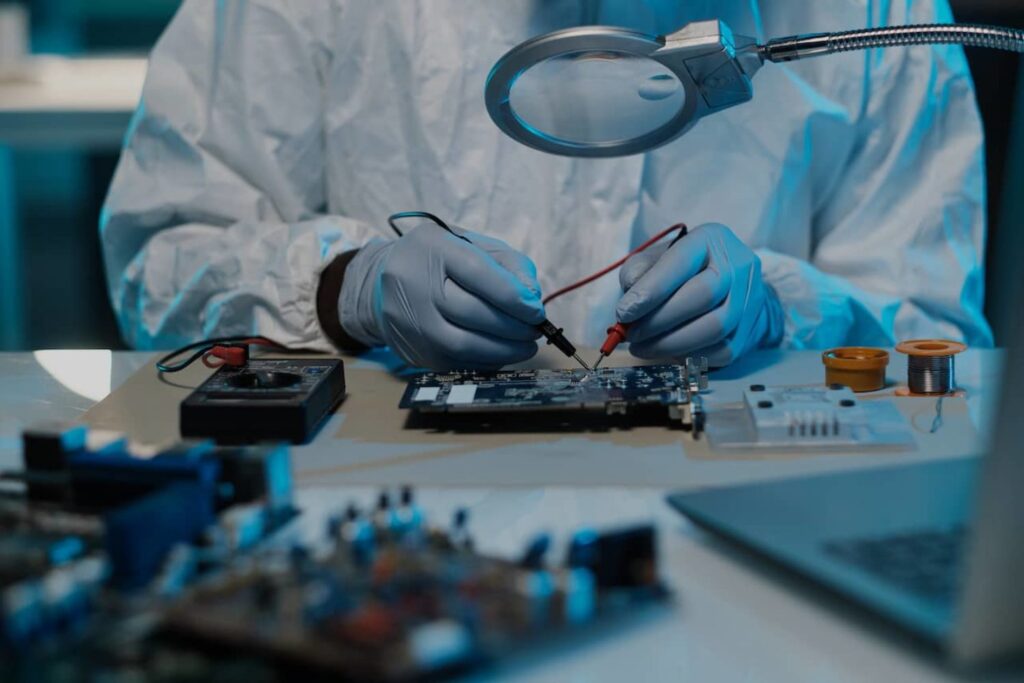
Educational institutions and training programs tailored to the industry are struggling to attract, retain, and prepare the next generation of semiconductor technicians. A lack of awareness about the industry and large technology firms recruiting a majority of the workforce has made it difficult for companies to retain workers, mainly engineers and techs.
Engineers
Engineers are responsible for semiconductor research, design, and development. They test products, troubleshoot potential software problems, and interact with manufacturers to ensure quality production.
Many undergraduate engineering programs, such as electrical engineering, computer science, and software engineering equip students with the necessary knowledge to work in the industry. However, fewer than 50,000 students in the US graduate with a degree in electrical engineering or computer science each year. Upon graduation, students receiving these degrees are often recruited by large technology firms and fail to enter the semiconductor industry.
Technicians
Skilled technicians account for 38% of the semiconductor manufacturing workforce. One company, Intel labs, anticipates creating nearly 7,000 jobs over the next decade and 70% of those positions would be for technicians with two-year degrees.
Technicians are integral in the manufacturing process and typically work in clean rooms while wearing “bunny suits” to minimize contamination of electronic components. They work with special furnaces, x-ray equipment, chemical baths and other equipment used to form circuitry and change conductive properties.
Techs are crucial to the overall operation of semiconductor manufacturing facilities as they are largely responsible for the operation and maintenance of equipment. This includes:
- Monitoring, maintaining, and repairing semiconductor fabrication equipment
- Performing preventive maintenance
- Installing, troubleshooting, diagnosing, and calibrating equipment
- Utilizing test and diagnostic equipment
- Proficiency in programmable logic controllers, microprocessors, control circuits, analog and digital circuits, and motor.
Tackling Training
To combat the shortage of skilled workers available, there are three main programs being unveiled in the states.
1. Quick Start Programs
Some community colleges have elected to swiftly equip students with the skills necessary to enter entry-level technician positions. These programs are typically several weeks long. In Arizona, Maricopa Community College has partnered with Intel to offer a 10-day training program that will prepare students to enter the industry as a semiconductor technician upon completion of the program.
2. Associate and Bachelor’s Degree Programs
Many community colleges and universities offer programs in electronics, microelectronics, computer science, and applied science. These educational institutions are attempting to increase enrollment and add programs specifically tailored towards the industry.
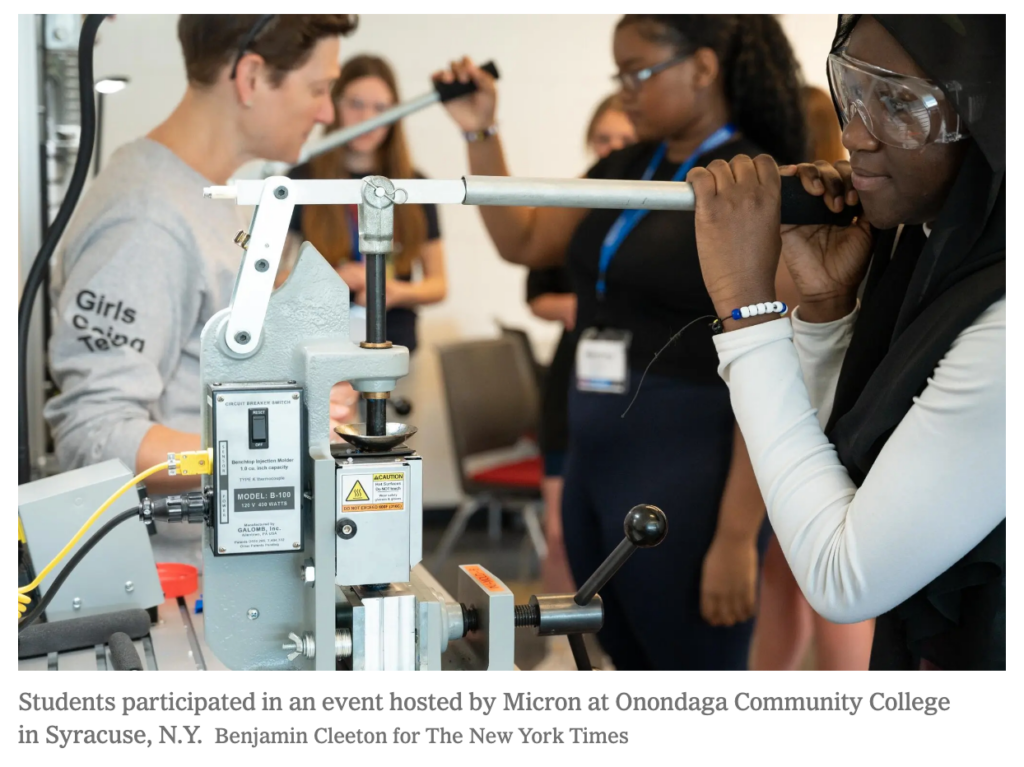
One such initiative, the Northeast University Semiconductor Network, was announced in April of this year. The network is a large partnership between over twenty universities and Micron Technology to maximize training opportunities for individuals hoping to enter the industry.
The partnership will allow Micron to strengthen the curriculum by sharing technical content, experiential learning programs, and research opportunities with students.
3. Workforce Hubs
The federal government has pledged to work with labor unions, companies, high schools, colleges, and workforce development organizations to expand apprenticeships and technical education related to the industry.
Cities can continue to apply to become technology hubs to build a diverse workforce. The five initial workforce hubs will be located in:
- Phoenix, Arizona
- Columbus, Ohio
- Baltimore, Maryland
- Augusta, Georgia
- Pittsburgh, Pennsylvania
Globally, more than 1 million additional skilled workers will be needed in the semiconductor industry by 2030. The United States isn’t the only country struggling to fill positions. In the next few years, training programs, educational institutions, and employers will have to increase workforce development initiatives to meet the growing demands of the industry. The United States is in a good position to equip a workforce as there’s an abundance of educational institutions, supported by private and public initiatives, available to train the next generation of engineers and technicians.


Related Articles

Navigating the Depths: The US Navy's Quest for Submarine Spare Parts

Engineering Degrees Around the World

Cybersecurity Awareness Month 2024

Mechanical Insulation for the Manufacturing Industry

Potable Water Contamination aboard US Naval Ships

Condition Monitoring Matters: Lessons Learned from Fury 325