
Safety Circuits, Force Guided Relays vs. General Purpose Relays
Robert Anderson
Safety-Circuits-Force-Guided-General-Purpose-1
Click here to download the full pdf Safety Circuits, Force Guided Relays vs. General Purpose Relays
Robert Anderson
Related Articles
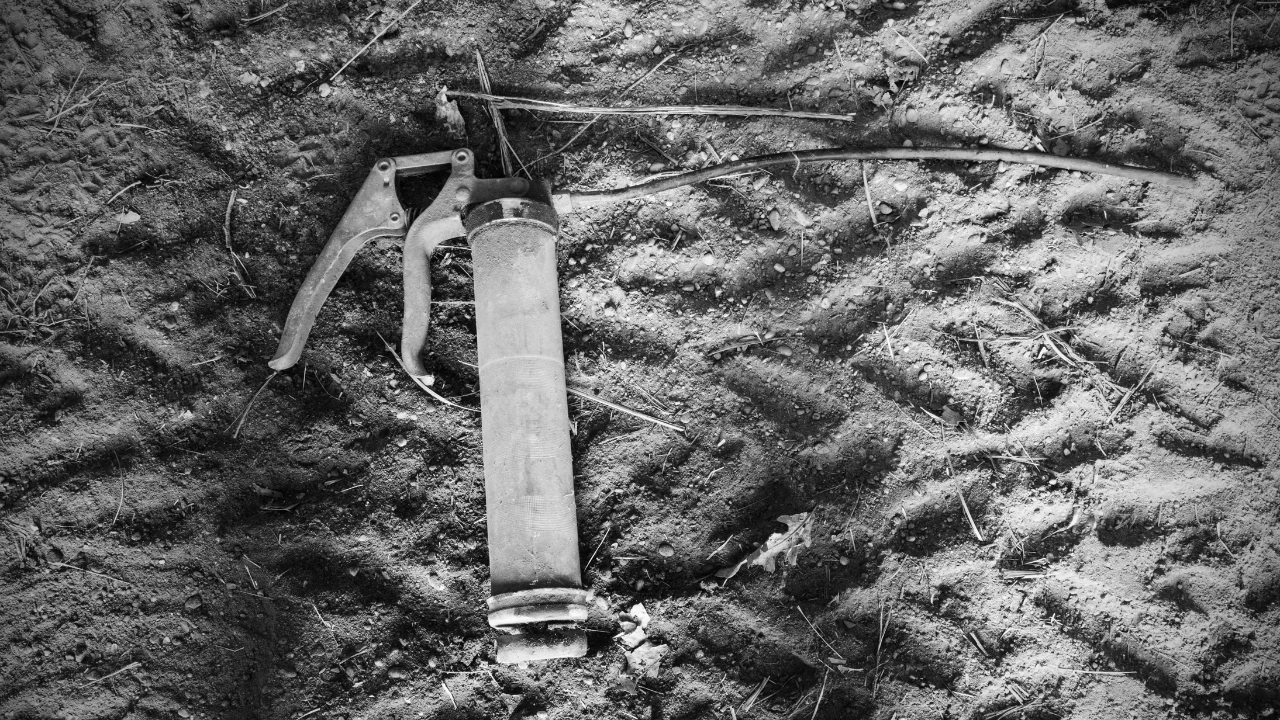
Safety Tips for Handling Petroleum Products
High-pressure injection injuries, also known as grease gun injuries, are caused by the accidental injection of a foreign material–such as grease, oil, or solvent under pressure–through the skin and into the underlying tissue. This is analogous to medical techniques used to administer immunization shots without a needle. A grease gun injury can cause serious delayed soft tissue damage and should be treated as a surgical emergency. Any person sustaining an injury of this sort should seek immediate medical attention, regardless of the appearance of the wound or its size. Accidents involving injection injuries can occur when using any type of pressurized equipment.
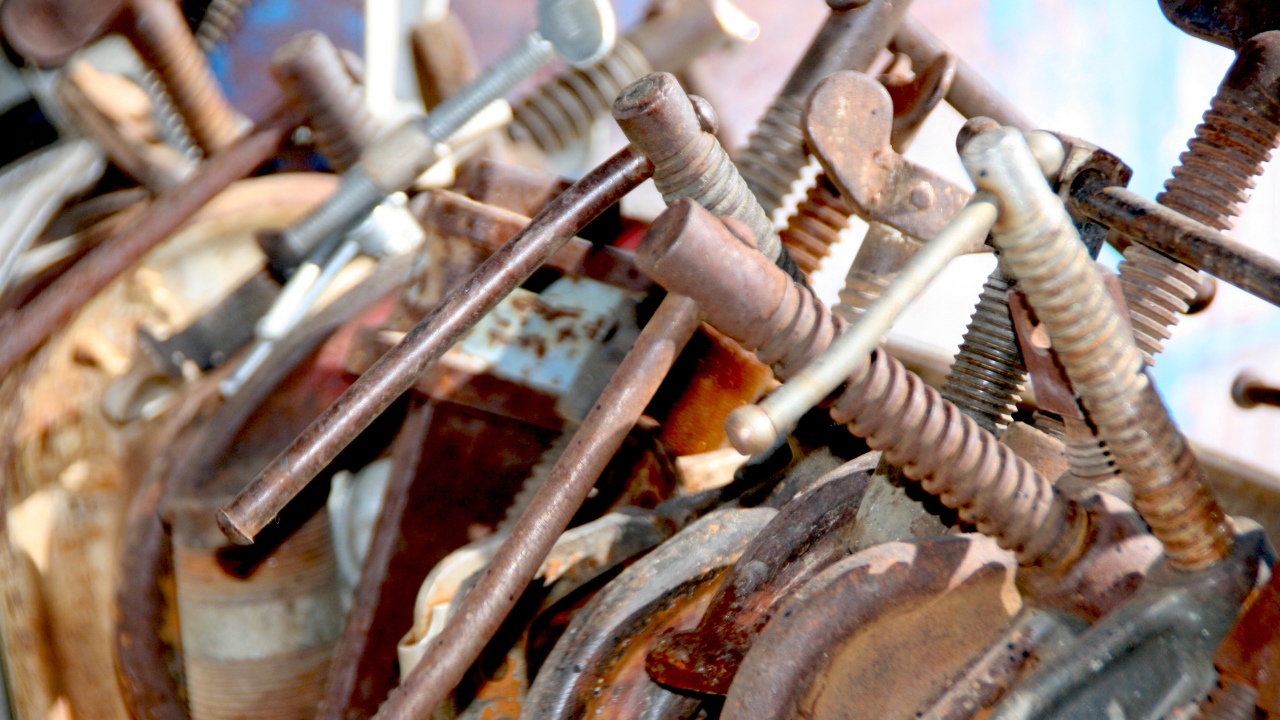
Safe Use of Clamps Through Proper Selection
The notions "one tool does all" or "any tool will do" result in wasted effort, poor quality work, damage to the misused tool, and exposing the user to possible injury, according to the Hand Tools Institute, an association of American manufacturers of quality hand tools. As with hammers, pliers, wrenches and all other hand tools, design is a key element to the type of work a tool is intended to do properly and safely, says HTI. Clamps are no exception and should be selected to conform to the work they are to perform.

Hydraulic Systems Safety
Hydraulic systems must store fluid under high pressure. Three kinds of hazards exist: burns from the hot, high pressure spray of fluid; bruises, cuts or abrasions from flailing hydraulic lines; and injection of fluid into the skin. Safe hydraulic system performance requires general maintenance. Proper coupling of high and low pressure hydraulic components and pressure relief valves are important safety measures.
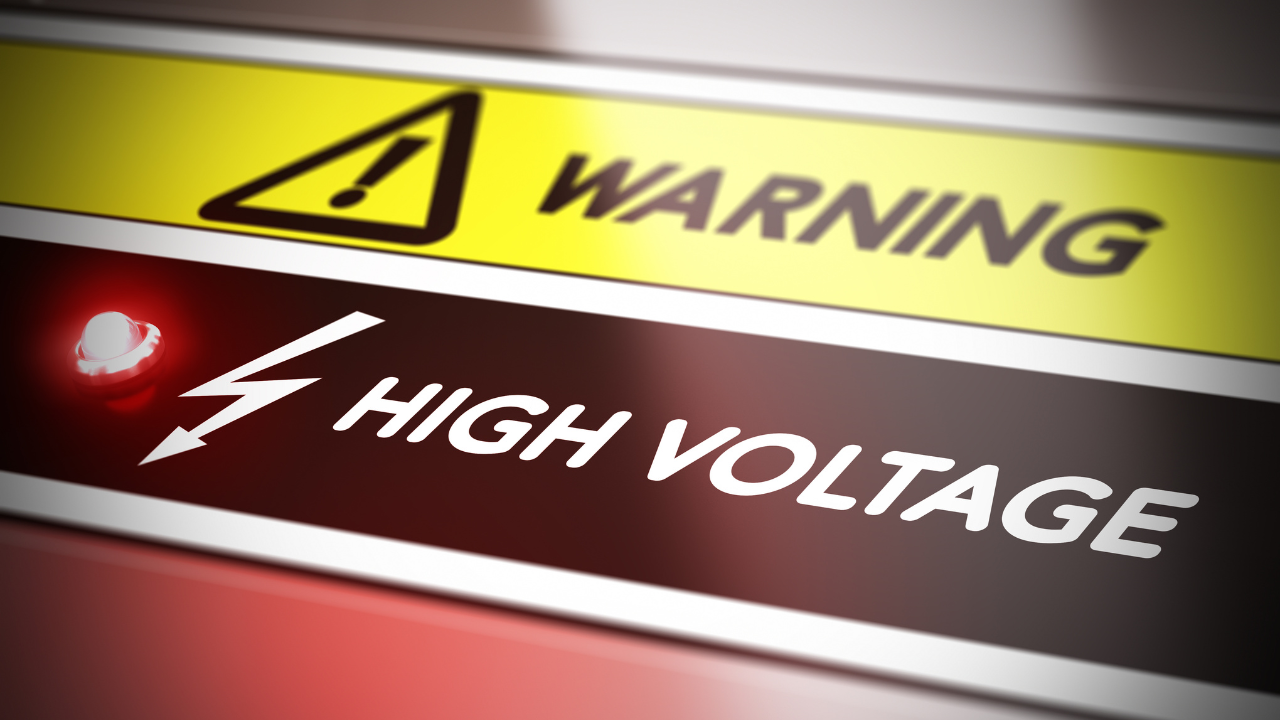
Electrical Hazards
There are three basic electrical hazards that cause injury and death: shock, arc-flash, and arc-blast. Following these safety principles can result in a safer work environment and prevent injuries or even death.

Quality Control of the Inspection Process
When we have catastrophic events such as the club fire in RI, the inspection process that allowed code violations to go uncorrected for two years needs to be revisited. Many inspectors view their daily work in a way that results in the low hanging fruit getting picked, but the more difficult to reach fruit on high branches going untouched. When an agency is responsible for inspections for compliance with safety, health, fire and/or environmental standards there needs to be a meaningful quality control or improvement program in place. Citizens or your community deserve no less.
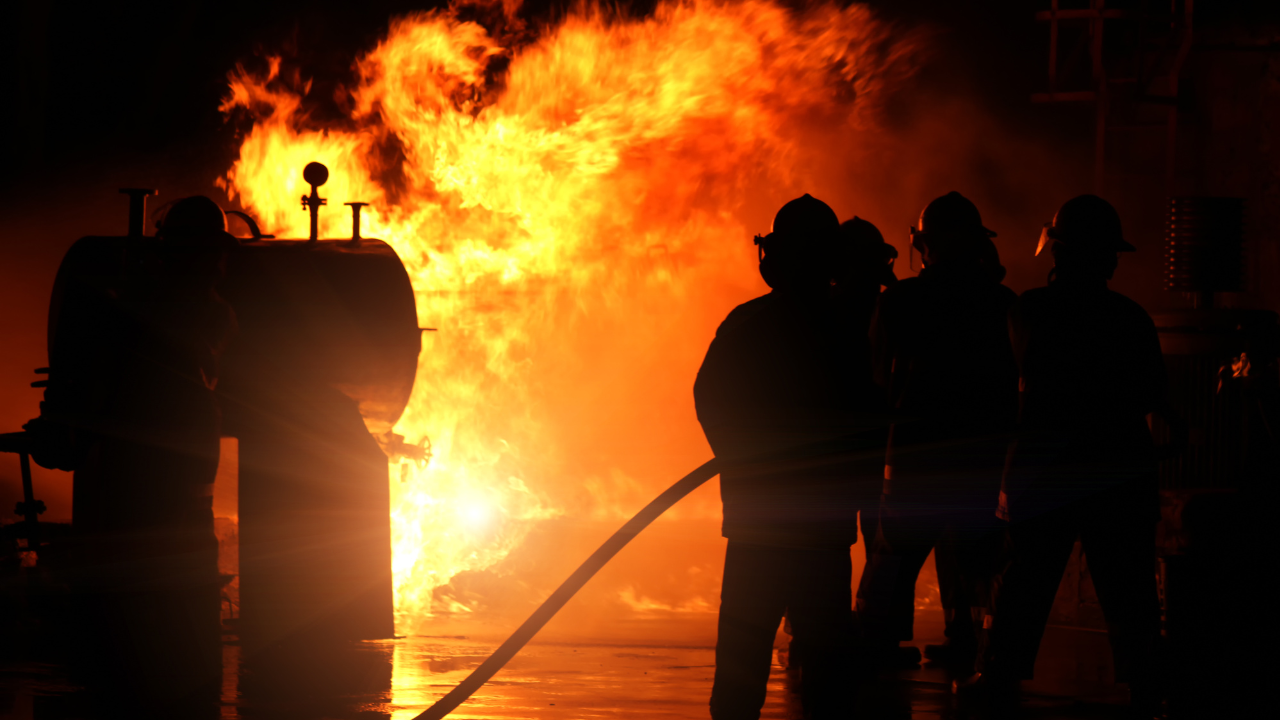
Fire Prevention and Emergency Action Plans: Are you ready to handle emergencies?
U.S. fire departments receive an estimated 42,800 reports of fires from industrial and manufacturing facilities each year, according to the NFPA. Fire prevention and emergency action plans are two tools to ensure employees know what to do before and after a fire alarm sounds.

Arc Flash/Arc Blast Review with Safety Suggestions for Design & Maintenance
Significant engineering and test efforts
have been undertaken in the last few years into the area of arc flash/blast hazards in electrical equipment. The result has been a better understanding of arcing faults and how to prevent and/or minimize the hazards to personnel and equipment. This paper highlights some of the findings that may help in safety management and equipment selection. This paper concludes with some design considerations that will help reduce the hazards of arcing faults.